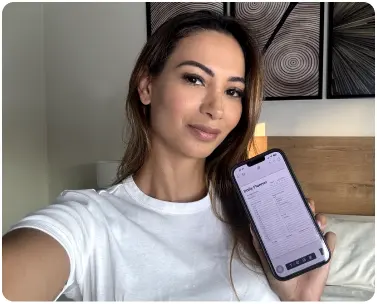
Yes! Our Sleep Journal Templates can unlock better rest and improved health by helping you track and analyze your sleep patterns. By consistently using our Sleep Journal, you can identify habits that impact your sleep quality and make necessary adjustments for a more restful night. With our sleep health journal, you can record your bedtime routine, sleep duration, and how refreshed you feel each morning.
This makes journaling for sleep an effective way to recognize disruptions like stress, screen time, or inconsistent schedules that may be affecting your rest. By incorporating our Sleep Journal Template into your routine, you’ll build better sleep habits, boost your energy levels, and enhance your overall well-being. Quality sleep is essential for focus, mood, and productivity, and PlanWiz makes it simple to track progress and make meaningful changes. Start using our Sleep Journal Templates today and experience the benefits of a well-rested life!
Sleep Journal Templates Made for the Sleep Problem You Actually Have
Poor sleep does not look the same for everyone. The right sleep journal template depends on what is actually keeping you from real rest.
- Sleeps Eight Hours, Still Exhausted: A daily log tracks quality and energy ratings so you stop counting hours and start understanding what your rest is missing.
- Brain Will Not Switch Off: A sleep journal with a wind-down section gives looping thoughts somewhere to land so your mind stops running when the lights go off.
- Inconsistent Sleeper: A weekly sleep tracking template lines up every night so the pattern between your best and worst nights finally becomes visible.
- Tracks Everything Except Sleep: A sleep journal captures what your wearable misses, late caffeine, evening stress, and connects daily choices to nightly results.
- Managing a Child's Restless Nights: A printable sleep journal helps spot whether disrupted sleep ties back to schedule, diet, or routine.
How Sleep Journal Templates Help You Sleep Better Every Single Night?
Most people try to fix their sleep by changing one thing and hoping for the best. Sleep journal templates replace that guessing game with a system that actually shows you what to change and why.
- See what your wearable never will: Devices track hours. A sleep journal tracks the late dinner, the anxious evening, the skipped workout, the real reasons behind your worst nights.
- Find your pattern in two weeks: Seven to fourteen consistent entries is all it takes to see which daily habits are quietly wrecking your sleep every single week.
- Stop cycling through random fixes: A sleep tracking template gives you evidence. You stop trying things blindly and start making one change at a time, with proof that it is working.
- Walk into your doctor's office prepared: A filled sleep journal replaces "I just cannot sleep well" with specific, dated entries a physician can actually use.
Frequently Asked Questions
Q-1. What is a sleep journal template, and how does it work?A sleep journal template is a pre-structured format to record bedtime, wake time, night wakings, and daily habits. It builds a consistent daily record so patterns behind poor sleep become visible, replacing guesswork with evidence you can act on.
Q-2. How do the sleep journal templates help reduce anxiety at bedtime?A pre-sleep writing section lets you put racing thoughts and worries onto paper before bed. This reduces the mental load your brain carries into sleep, helping you fall asleep faster by giving your mind permission to stop holding onto unprocessed thoughts.
Q-3. What daily habits should I track in sleep journal templates?Track caffeine cutoff time, alcohol, exercise timing, screen use, and stress level. These daily entries alongside your sleep data reveal which specific behaviors are connected to your worst and best nights.
Q-4. Can children benefit from a sleep journal template?Yes. Parents can log a child's bedtime, wake time, morning mood, and night disturbances. Two weeks of tracking helps identify whether disrupted sleep connects to schedule, diet, or screen time, giving pediatricians specific observations instead of general concerns.
Q-5. When is the best time to fill in a sleep journal?Every morning, within thirty minutes of waking, while sleep recall is still fresh. Waiting until evening means relying on faded memory, which makes your entries less reliable for spotting real patterns over time.