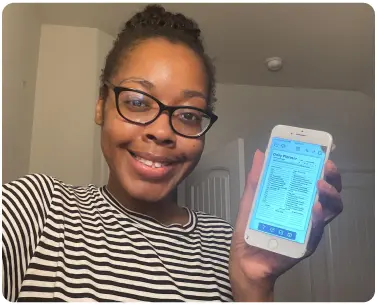
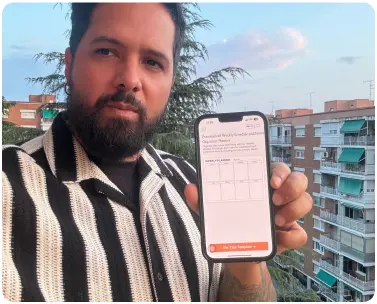
The self-care journal templates can be a powerful way to improve your mindset and overall well-being. By practicing self-care journaling, you create a space to reflect on your emotions, track progress, and cultivate a positive outlook on life. Keeping a self-help journal allows you to express gratitude, manage stress, and set meaningful self-care goals. The best self-care journal provides a structured way to organize your thoughts, build healthy habits, and focus on personal growth. With a well-planned self-care journal planner, you can prioritize your mental and emotional well-being daily.
Writing in a journal helps clear your mind, reduce anxiety, and boost self-awareness. Journals for self-care encourage consistency, making it easier to stay committed to your personal development journey. Whether you're looking for the best self-help journal to inspire positivity or a journal self-care routine to nurture yourself, a self-care journal template can help you create a healthier, more balanced life. Start journaling today and take charge of your well-being!
Who Actually Benefits From Self-Care Journal Templates?
Most people searching for self-care journal templates are not looking for motivation. They already know self-care matters. What they need is a structured starting point that fits into a real, busy life.
- The burned-out professional reaches Friday without remembering what she felt all week. A daily self-care journal template with quick morning prompts protects her energy before it runs out.
- The overwhelmed mom plans everyone else's week but quietly skips her own needs. A self-care journal with habit tracking and mood check-ins puts her back on her own list.
- The wellness beginner has tried journaling before, stared at a blank page, and closed the notebook. A printable self-care journal with guided prompts removes the pressure of not knowing where to start.
- The person recovering from burnout needs structure more than anything else. A self-care journal template turns the vague goal of "taking better care of myself" into specific, doable daily actions.
How to Use Self-Care Journal Templates So the Habit Actually Lasts?
Starting is easy. Staying consistent past week two is where most people stop. Here is a clear five-step approach that works.
- Step 1: Choose One Focus Area, Not Everything at once. Pick sleep, emotions, movement, or gratitude. Building momentum in one area is faster and more sustainable than tracking everything from day one.
- Step 2: Journal at the Same Time Every Day. Morning works for intentions. Evening works for reflection. The time matters less than keeping it consistent, same time, same place, every day.
- Step 3: Write Even on the Hard Days. The days you least want to journal are the days it helps most. One honest sentence is enough. Self-care journal templates don't ask for perfection, just show up.
- Step 4: Do a Five-Minute Weekly Review. Every Sunday, read back through your entries. What drained you? What helped? This short habit turns daily notes into real self-awareness.
- Step 5: Adjust the Template When Your Life Shifts. A template built for a calm month needs reshaping during a stressful one. Adapt it rather than abandon it. The goal is a routine that moves with you.
Frequently Asked Questions
Q-1. What is the purpose of self-care journal templates?To remove the guesswork from journaling. Instead of a blank page, you follow a ready-made structure that guides your thinking toward wellness habits, emotional clarity, and consistent daily self-reflection.
Q-2. How do I start a self-care journal for the first time?Choose a template that matches your biggest need, mood, habits, or reflection. On day one, fill in only the morning section and keep it under five minutes. A small, consistent start always wins.
Q-3. How do I make self-care journaling a daily habit?Attach journaling to something you already do every day, morning coffee, brushing your teeth, or getting into bed. Place your journal or app in plain sight. Self-care journal templates help because they reduce decision fatigue; you open, follow the structure, and finish.
Q-4. Can journaling improve mental health?Yes. Regular journaling reduces stress, improves emotional regulation, and builds self-awareness. A structured self-care journal template keeps every entry focused on real well-being, not unproductive overthinking.
Q-5. Is self-care journaling the same as a mood tracker?No. A mood tracker only records your emotional state over time. A self-care journal template goes deeper, covering habit tracking, gratitude, reflection, and daily intentions. Mood tracking is just one small part of a complete self-care journaling system.