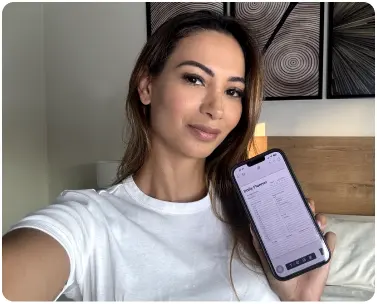
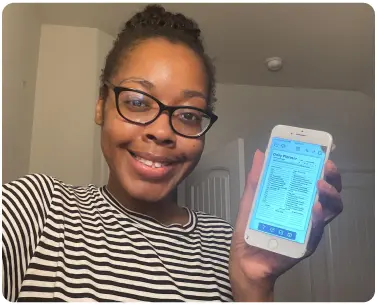
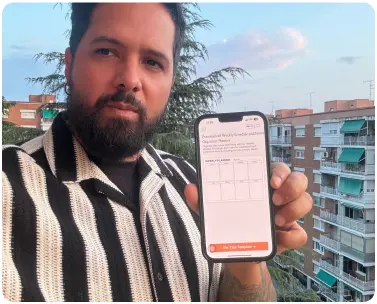
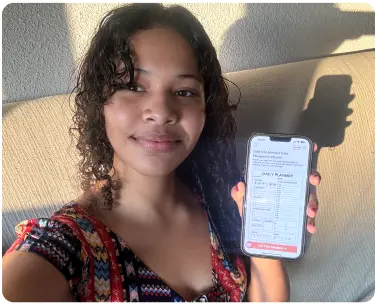
Training planner templates exist because motivation alone has never finished a 12-week program. Most people start strong but fall apart by week three, not because the goal changed, but because there was never a written structure holding the plan together. A plan that lives only in your head has no accountability and no way to measure whether anything is actually working.
That is exactly what training planner templates fix. Personal trainers use them to manage multiple clients without confusion. Athletes use them to track sport-specific progress week over week. HR leads use them to ensure every onboarding session gets completed, not skipped. PlanWiz templates are built for real conditions, structured enough to keep any training on track, flexible enough to adjust when life gets in the way.
Training Planner Templates Built for Every Type of Training and Goal
No two training programs look the same, and no single layout works for every context. PlanWiz offers a free training plan template built around the real formats coaches, athletes, and trainers actually use:
- For personal trainers: A personal training schedule template that tracks each client's weekly sessions, load, and progress so nothing gets mixed up across multiple clients.
- For endurance athletes: A training schedule planner with space for distance, pace, recovery days, and race targets across a full multi-week training block.
- For sport-specific training: Dedicated layouts for martial arts, archery, and skill-based practice that match the real structure of the sport, not a generic gym routine.
- For self-coached individuals: A training planner template for people tracking their own daily workouts, intensity, and rest days without needing a coach to stay on track.
- For employee onboarding: A structured training planner covering session objectives, trainer assignments, and completion checkpoints so every new hire finishes fully prepared.
How to Use Training Planner Templates to Build a Program That Holds Up Past Week Three?
Most programs fail not because the exercises are wrong, but because the plan was never written clearly enough to survive when motivation dropped. Here is a five-step system that works across fitness, sport, and employee training:
- Step 1: Define the outcome before the first session. Open your training planner template and write the end goal first. Every session should connect back to that result.
- Step 2: Map the full program upfront. Use your training schedule planner to block all weeks and recovery periods before day one. Seeing the full plan keeps people committed longer.
- Step 3: Give every session one clear objective. Your free training plan template should state whether today is strength, skill, recovery, or a benchmark that one label changes how the session is performed.
- Step 4: Log what actually happened. Record real performance in your personal training schedule template, reps, weights, or progress notes. That data makes the next session smarter.
- Step 5: Review every two weeks. Not every two months. Build a fixed review into your training planner to check if the load is right and the goal still makes sense.
Frequently Asked Questions
Q-1. What is a training planner template, and who should use it?A training planner template is a structured layout that maps goals, session plans, and progress tracking in one place. Personal trainers, athletes, and HR onboarding teams use it for anyone who needs a training plan that is clear, consistent, and easy to follow.
Q-2. What should every training planner templates include?The strong training planner templates should include a goal section, weekly session blocks, exercise details, a progress log, recovery periods, and a review checkpoint covering both the plan and the actual result side by side.
Q-3. Can one training planner work for different types of training?Yes. PlanWiz templates are fully customizable. The same template works for a fitness client, a marathon athlete, or an employee onboarding plan. Simply update the objectives, timeline, and session content without changing the core structure.
Q-4. How many weeks should a training planner cover?Four to twelve weeks works best for fitness and sport programs. Employee training planners typically cover two to four weeks. Both benefit from a two-week review cycle built into the training schedule planner, so adjustments happen on real data, not guesswork.