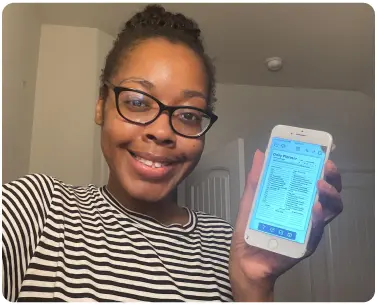
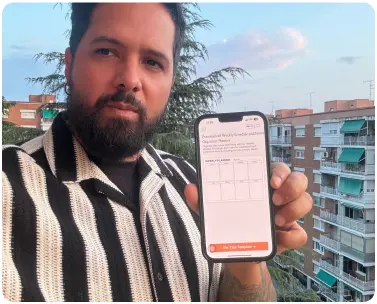
Bible planner templates exist because most people do not struggle with faith; they struggle with follow-through. You open your Bible with full intention on Monday morning, life gets busy by Tuesday, and by the weekend, you cannot remember the last verse you read. The problem is never your desire to grow spiritually. The problem is the absence of a written plan holding that desire accountable.
They give your quiet time a structure that does not depend on motivation alone. Whether you are working through a SOAP method study, following a 90-day reading plan, or tracking weekly prayer requests, a bible study planner template keeps every session intentional and every breakthrough documented. New believers use them to stop feeling overwhelmed by where to start. Small group leaders use them to keep members aligned week after week. Faith-driven women use them to make sure scripture gets the same daily priority as everything else on their list. PlanWiz bible planner templates are built so that when life gets heavy, your spiritual practice does not quietly fall apart.
Bible Planner Templates Built for Every Stage of Your Spiritual Journey
No two believers study the same way, and no single layout serves every need. PlanWiz offers a free bible planner template built around how real people actually engage with scripture:
- For new believers: A beginner-friendly bible planner template with daily reading slots and simple reflection prompts that make scripture feel approachable, not overwhelming.
- For daily devotionals: A printable bible planner template with morning devotional space, a gratitude section, and a prayer log all in one place.
- For the SOAP method: A structured layout built around Scripture, Observation, Application, and Prayer for deep, retention-focused study.
- For small group leaders: A weekly bible study planner template with assigned scripture, discussion prompts, and a follow-up checkpoint so no member falls behind.
- For reading plans: A monthly layout that maps every chapter across your reading goal with a progress tracker and a daily notes section.
How to Use Bible Planner Templates to Build a Study Habit That Actually Holds?
Most Bible study habits break not because people stopped caring, but because the plan was never clear enough to survive a hard week. Here is a five-step system that works whether you study alone or lead a group:
- Step 1: Choose your study focus first. Write whether this week is a character study, topical reading, or book-by-book plan before filling anything else in.
- Step 2: Assign scripture to every day upfront. Use your printable bible planner template to block exact passages Monday through Sunday before the week begins.
- Step 3: Write one personal application per session. Your bible study planner template should answer: "What does this passage ask of me today?" That one line keeps studying transformational, not just informational.
- Step 4: Log prayer requests alongside your reading. Keep both in the same bible planner so you can look back and see which prayers were answered over time.
- Step 5: Review every two weeks. Check if the pace is realistic, which sections moved you most, and where you need to slow down.
Frequently Asked Questions
Q1. What should a good bible planner template include?A strong bible planner template should include a daily scripture section, a reflection or application space, a prayer log, and a reading progress tracker, all visible in one place, so nothing gets skipped during a short quiet time.
Q2. Which bible planner template is best for beginners?A simple daily bible planner with one passage per day, two guided reflection questions, and a brief prayer section. Start simple, build the habit first, then expand the structure as consistency grows.
Q3. Can I use one bible planner template for both personal and group study? Yes. PlanWiz bible planner templates are fully customizable. Update the scripture references and reflection prompts to suit group discussion; the core structure holds for both contexts.
Q4. How long should I use a bible study planner template before switching formats? At least four weeks. Switching too early usually masks inconsistency rather than fixing it. Give the structure enough time to tell you whether the plan or the habit needs adjusting.