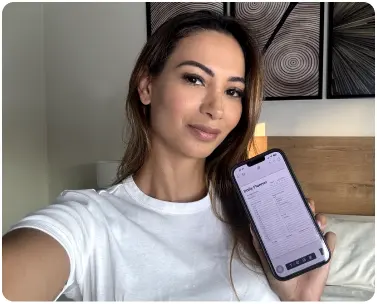
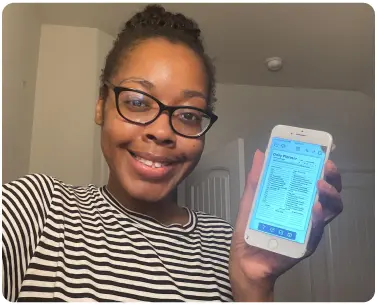
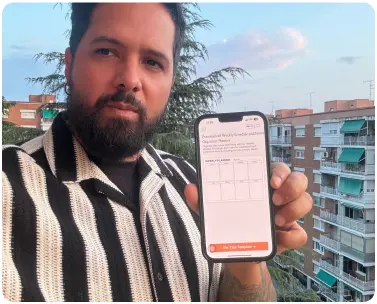
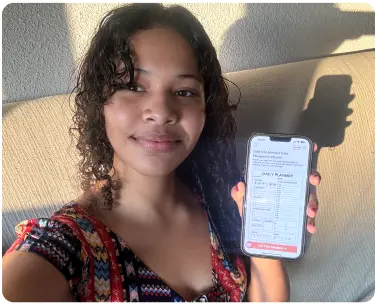
Most people don't lack self-awareness; they lack a system to capture what they already feel. That's exactly what mood tracker templates solve. When your emotions shift without warning, Structured daily mood tracker templates give you somewhere to put that feeling before it disappears into the noise of the day. Over time, those small entries become your personal emotional map.
With PlanWiz mood tracker templates, you're not just logging good days and bad days. You're building evidence. Did your energy drop every Tuesday? Did anxiety spike after skipping sleep? A printable mood tracker makes these invisible connections visible without needing a therapist's office to understand them. Whether you use daily mood tracker templates to check in each morning or a weekly mood tracker to review your emotional rhythm every Sunday, the act of tracking itself shifts how you relate to your feelings. You stop reacting. You start understanding.
Choose Mood Tracker Templates That Match Your Real Emotional Needs
Not all mood tracking looks the same, and it shouldn't. The right mood tracker templates should meet you where you are, not where you think you should be:
- The person in therapy or starting their mental health journey: A daily mood tracker template with space for triggers and intensity ratings helps you walk into every session with real data, not just "I think it was a rough week."
- The burnout survivor trying to rebuild: A simple printable mood tracker with five quick fields: mood, sleep, energy, one trigger, one win takes two minutes and keeps you from slipping back unnoticed.
- The emotionally self-aware person who keeps forgetting to track: Mood tracker templates with a weekly layout give you one dedicated time to reflect, instead of relying on daily willpower, which you may not always have.
- The wellness beginner: Mood tracker templates remove the guesswork with built-in categories, so you begin on day one, not after planning the perfect system.
How to Use Mood Tracker Templates So They Actually Stick?
Most people start strong and quietly stop by week two. Here is how to use mood tracker templates in a way that lasts:
- Step 1: Pick one format and commit for 14 days: Choose either a daily mood tracker template or a weekly mood tracker, not both. Two weeks is enough to see your first real pattern.
- Step 2: Track at the same moment every day: Attach your mood check-in to something you already do right after morning coffee or before putting your phone down at night.
- Step 3: Log the context, not just the emotion: "Anxious 3/5" tells you little. "Anxious after two back-to-back calls, skipped lunch" is the data that actually changes behavior.
- Step 4: Review your weekly mood tracker every Sunday: One bad Thursday means nothing. Four bad Thursdays in a row mean something worth addressing.
- Step 5: Adjust the template, not your expectations: If a section goes unfilled every day, remove it. A simpler mood tracker template you use beats a detailed one you avoid.
Frequently Asked Questions
Q-1. How is a mood tracker different from a journal?A journal is open-ended; you write freely. A mood tracker template is structured so that you fill in specific fields consistently. Journals help you process emotions. Mood trackers help you spot patterns across days and weeks.
Q-2. Is a daily mood tracker template better than a weekly mood tracker?They serve different purposes. A daily mood tracker captures real-time emotional shifts. A weekly mood tracker shows how your mood trends across the full week. Using both together gives the most complete picture.
Q-3. How do I choose the right mood tracker template for me?Match it to your biggest struggle. If you forget to track, pick a simple weekly mood tracker. If you want deeper insight, choose a daily mood tracker template with trigger and reflection fields. Always start simpler than you think you need.
Q-4. How do mood tracker templates support therapy?Instead of trying to recall how the past two weeks felt, you arrive at sessions with logged patterns and identified triggers, making therapy more focused and actionable.
Q-5. Can I use a mood tracker template for PMS or hormonal tracking?Yes. Tracking mood alongside cycle phases over two to three months reveals clear hormonal patterns, helping you prepare for low days rather than being blindsided by them.